
Abstract
The ability to alter the human genome through genetic alteration, which entails changing the inherited features of future generations, has become possible because of advancements in genetic editing technology. Although these technologies show a lot of promise for preventing genetic illnesses and improving human potential, they also raise serious ethical questions and provide challenging legal situations. This article examines the ethical issues and legal ramifications associated with genetic editing, gene therapy, and germline modification, taking into account the state of science today, the regulatory landscape, and the requirement for strong ethical standards for an ethical and equitable application of these technologies.
Keywords
Germline modification, Genetic editing, Ethical implications, Legal Frameworks, Human Rights
Introduction
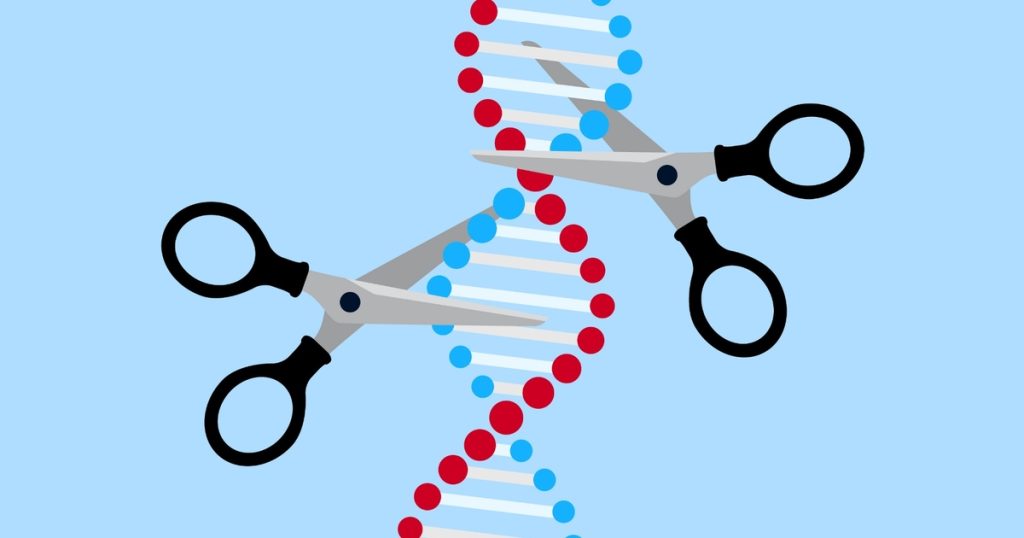
Genetic editing and germline alteration are two related ideas that have sparked a lot of attention over the past couple of decades. Genetic editing and germline alteration are two concepts linked to DNA manipulation. Gene editing is the capacity to alter an organism’s DNA sequence in a particular way, altering its genetic composition. To remove current DNA and insert replacement DNA, gene editing is carried out utilizing enzymes, notably nucleases that have been specifically designed to target a particular DNA sequence. The use of technologies such as CRISPR-Cas9 to modify the DNA of live creatures is referred to as genetic editing. These techniques enable the addition, removal, or modification of genetic code at specific sites in the genome. Germline modification, on the contrary hand, entails changing the DNA of human embryos or reproductive cells to change the features of upcoming generations. [1]Germline editing is a promising tool for studying the early development of human disorders using human embryos.
Research Methodology
This research report is based on a doctrinal data collection strategy. The study is descriptive in style, with many secondary sources of material employed for a thorough examination of genetic editing and germline modification and its critical difficulties. Newspapers, journals, websites, and other articles were primarily employed as secondary sources for this paper’s research.
Review of literature
“The advance of genetic engineering makes it quite conceivable that we will begin to design our evolutionary progress” – Stephen Hawking.
Gene editing and germline modification are revolutionary technologies that have gained so much momentum in recent years which has the potential to change the world. In the book “The Gene Machine: How Genetic Technologies Are Changing The Way We Have Kids-And The Kids We Have” Bonnie Rochman points out that developments and advancements in the field of this gene editing, gene therapy, or germline alteration open
up lots of hopes which ensures a safe, secure and healthy community. Gene editing is considered a new pathway that can lead into a new era and sheds new light on the modern world. “The Ethics of gene editing” written by Ronald Green (2019) offers a comprehensive examination of the ethical perspective of this technology, even though it possesses lots of goods Green explores the questions surrounding human enhancement, safety concerns, and the ethical boundaries that should govern the use of these modern innovations.
HISTORY OF GENE EDITING
Our expanding knowledge of genetics is the basis for gene editing. Important turning points included Gregor Mendel’s research with pea plants in the 19th century, which established the concepts of transmission, and James Watson and Francis Crick’s 1953 discovery of the DNA double helix structure. Genetic engineering had a dramatic turning point in the 1970s with the introduction of recombinant DNA technology. To further gene editing, scientists first developed the capability to cut and splice genes from one organism into another. When Jennifer Doudna and Emmanuelle Charpentier identified the cutting-edge gene-editing technology known as CRISPR-Cas9 in 2012, they made a significant discovery. By focusing on particular DNA sequences, CRISPR-Cas9, which was adapted from a natural defense system in bacteria, enables accurate and effective gene editing.[2]
Promises of Gene Editing
The rapid advancement in gene editing advancements has heralded an age of opportunities, especially in the field of healthcare improvement. Among these breakthroughs, germline editing stands out as a revolutionary technology with the capacity to reshape mankind’s destiny.
- Germline editing has enormous potential for preventing and curing genetic illnesses. This approach has the potential to remove hereditary illnesses from subsequent generations by addressing transmitting illnesses and genetic abnormalities at the germline level. Diseases like cystic fibrosis, sickle cell anemia, and Huntington’s disease may become extinct, relieving people and their loved ones of the burden of these incapacitating afflictions.
- Germline editing offers the ability to improve physical and cognitive qualities, hence expanding the possibilities for humans. It could be feasible to boost qualities like intelligence, memory, strength, and endurance by targeting genetic alterations. Consider a world in which people can unleash their full intellectual and physical capacities, driving humanity to unparalleled heights.
- One of the most promising aspects of germline editing is its ability to solve socioeconomic imbalances. This technology has the potential to create equitable chances for everyone to thrive by reducing genetic differences. Germline editing can help level and build a society with greater equality by removing inheritable susceptibility to particular diseases or increasing inherent strengths.
- Agriculture could benefit tremendously from genetic alteration. It provides a variety of tools and methods that may enhance crop characteristics, boost production, enhance their nutritional value, and bestow immunity to diseases, insects, and adverse environmental conditions. Crops that have undergone genetic modification may have better disease and insect resistance. This lessens the demand for synthetic pesticides and lowers crop losses brought on by bug or illness infestations. Crops can develop innate defenses to fend against particular pests or illnesses by integrating genes from resistant species. Crops can be genetically modified to contain more nutrients, alleviating nutritional issues and enhancing the quality of food. To prevent hunger and enhance human health, biofortification, for instance, seeks to raise the levels of crucial minerals, vitamins, and various other micronutrients in food staples.
Uncovering the Threats and Moral Implications of Genetic Editing and Germline Modification.
- Genetic editing and germline alteration may cause a loss of genetic diversity among humans. The pursuit of specific qualities or elimination of specific genetic differences may result in the homogeneity of the gene pool, diminishing the human species’ resiliency and adaptation. Furthermore, the introduction of genetically engineered organisms into natural settings may have unforeseen ecological implications, possibly altering ecosystems and biodiversity.
- One of the most serious concerns about genome editing and germline modification is the possibility of unforeseen repercussions and consequences that last forever. Changing the human germline might result in unanticipated and unknown consequences, such as the introduction of new genetic disorders or inadvertent modifications with long-term consequences for subsequent generations. Because of the complexity of human genetics and our poor understanding of gene interactions, properly predicting the results of genetic treatments is difficult.
- Gene editing and germline alteration create significant ethical concerns. Intervening at the germline level raises issues about the next generation’s autonomy and authorization to inherit the modified genes. It calls into question the premise of natural reproduction and the boundaries of human interference in genetic destiny. Because the results of genetic manipulations are not always totally foreseeable, the possibility of unexpected repercussions and lasting impacts contributes to moral complexity. Furthermore, the quest for genetic excellence through germline alteration raises problems about the value and dignity of individuals, as well as the possibility of establishing a society based on eugenic principles.
- Although the application of genetic editing techniques has the potential to help crops and agriculture, there are also possible drawbacks and safety issues The adoption of crops modified through genetic engineering might have economic effects. There is a chance that a small number of powerful major agribusinesses could come to hold all the sway, which could restrict agricultural options and drive up the price of seeds and other inputs. Genetically modified crops may have unforeseen ecological effects when introduced to natural environments. Potential contamination of genes and changes to biodiversity in nature could result from the transfer of genetically engineered features to wild relatives. Particular attention must be given to the ecological interactions between native plants and animals and genetically engineered crops.
DESIGNER BABIES: Designer babies are those created by in vitro genetic engineering and have qualities that have been carefully chosen. These traits might range from reduced risk of illness to sex selection. Designer babies were once thought of as science fiction, but because of the quick development of technology both before and following the turn of this century, they are now becoming a more likely prospect.
- Free from Diseases
- Improved physical traits
- Intellectual and Cognitive Enhancements
- Health and well being
Above mentioned are some of the pluses of designer babies, but fears have been raised concerning the dangers of genetic editing and germline modification in developing “designer babies.” The power to pick and modify individual qualities could lead to the commercialization of human existence and the rise of a eugenics-driven society. This poses issues of ethics since it calls into question individuals’ fundamental values and human worth, which might encourage an ideology that stresses particular genetic features above others.[3]
Gene therapy: Gene therapy is a medical strategy that addresses the underlying genetic issue to treat or prevent disease. Instead of utilizing drugs or surgery, gene therapy procedures allow doctors to treat a problem by changing an individual’s genetic composition. A disease-causing gene may be replaced with a healthy copy of the gene, a disease-causing gene that is not working correctly may be inactivated, or a new or modified gene may be introduced into the body to treat a disease.
Legal Frameworks for gene editing, gene therapy
Genetic editing and gene therapy have a complex worldwide legal environment that reflects a range of viewpoints, ethical issues, and risk evaluations. While some nations have put in place strict restrictions, others are developing or updating their legal structures. A thorough comprehension of the scientific, moral, and sociological ramifications of gene editing and germline alteration is required to meet the continuing challenge of harmonizing international legislation and standards of ethics.
World Health Organization (WHO): New guidelines on human genome editing have been released by the World Health Organization for the improvement of public health. These guidelines cover governance and supervision of gene editing in nine different domains. The following are these suggestions:
- Human genome editing registries
- International research and medical travel
- Illegal, unregistered, unethical, or unsafe research
- Ethical and social implications
- Intellectual property
- Capacity building
- Education and public engagement
- Funding and financing
- Governance framework
The report also offers a novel governance framework that outlines certain tools, institutions, and situations to show the practical difficulties in implementing, governing, and supervising human genome research. It also emphasizes how crucial it’s for human genome editing governance to be open, inclusive, and participatory.[4]
Argentina- Argentina became the first nation in the world to create detailed legislation governing gene editing tools and products in 2015. Argentina will use the same evaluation process for gene-edited animals even though the restrictions have only been applied to gene-edited crops up to this point. Unless foreign DNA is inserted, gene editing is not regarded as genetic modification. Therefore, there won’t be any further regulation of the majority of gene editing procedures.[5]
China has a sophisticated regulatory framework that has developed over time for gene editing. China was the first nation to employ CRISPR on healthy human embryos in 2017. He Jiankui, a Chinese scientist, said in 2018 that he had altered the genomes of twin girls, setting up a worldwide uproar. In response, the Chinese government mandated a probe into He Jiankui’s work and a temporary halt to human gene editing research.[6]2019 saw the release of proposed regulations by China’s health ministry that would limit the use of gene editing on people. According to the draft, approval for human clinical research, including gene editing, must come from China’s Ministry of Health rather than just a hospital’s ethics committee.[7]
USA- The Food and Drug Administration (FDA) and the United States Department of Agriculture (USDA) are largely responsible for regulating gene editing and germline modification in the US. The USDA is in charge of genetically modified plants, whereas the FDA supervises genetic alterations in animals meant for consumption by humans. In the case of gene therapy, before their goods may be sold in the United States, manufacturers of gene therapy products must put them through comprehensive testing and ensure that they fulfill FDA standards for safety, purity, and potency.[8] A firm must notify the FDA of its intentions before testing a gene therapy product on research animals and in a lab before putting it on the market in the US. Before beginning, a producer must get a specific authorization exemption from the FDA to examine the gene therapy product in humans. An investigational new drug application, or (IND), is the formal name for this exemption. These rules must be followed by all researchers when performing clinical gene therapy experiments[9]
India- A comprehensive regulatory framework for gene editing has not yet been established in India, however, there have been some recent improvements. A law that would forbid germline gene editing is now being discussed by the Indian Council of Medical Research. A draft report on genome-edited organisms that offers a regulatory framework and recommendations for risk assessment was made public by the Department of Biotechnology in January 2020. According to the document, the Environment Protection Act of 1986’s biosafety regulatory framework governs how genetic engineering technology is used or produced in India.[10] Additionally, to advance research and simplify the regulatory procedures for future gene therapy clinical studies, the Indian Council of Medical Research has published national standards for product development and clinical trials.
A strong, robust legal framework is essential, because it offers guidelines for how gene editing should be controlled, uses as well as how conflicts can be settled, the legal framework is crucial in the discussion of gene editing. To guarantee that gene editing is utilized in a way that is more ethical and accountable, it is crucial to establish a straightforward and uniform legal structure.
Solutions
- Protection and Efficacy: the safety and efficacy of the procedures used in genetic editing and germline alteration must be given top priority in regulatory structures. To ensure that any alterations implemented are well-tested, dependable, and will not cause excessive hazards to anyone concerned or foreseeable future, thorough medical research and regulation are required.
- Consent and Individual Autonomy: whilst it concerns germline alteration, adhering to the principles of informed authorization and individual autonomy is important. Rules and regulations should demand that those who are considering these operations be given complete, accurate data so they can make a rational choice about their reproductive options.
- Ethical Boundaries: The limits of altering genes and germline alteration present significant moral dilemmas. Regulation needs to take into account the risks and negative effects that could result from these interventions, such as unintentional genetic modifications, unequal access to technology, and the development of genetically enhanced people. It’s crucial to strike an equilibrium between advancement in science and moral restraints.
- Long-Term Effects and Accountability: Genetic changes can significantly impact subsequent generations. Legal frameworks should consider the long-term effects of these actions and set up procedures for tracking and addressing any unanticipated effects on society or health. Clear standards are required about the obligations and liabilities of all parties participating in the procedure, especially specialists, doctors, and institutions.
- International Cooperation: International cooperation and the harmonization of regulations and statutes are crucial due to the global character of scientific studies and the possible effects of germline modification on subsequent generations. Collaboration can make it easier to share information, maintain moral guidelines, and stop the spread of illegal and unscrupulous practices.
Although the potential to alter the human germline constitutes a huge achievement in science, it also raises difficult ethical, moral, and social challenges. It is important to carefully address protection, informed consent, ethical bounds, long-term implications, and international cooperation while creating legal frameworks for genetic editing and germline alteration. Mankind will be able to exploit the possible advantages of these innovations while protecting against any threats by striking a balance between scientific advancement and moral concerns. We can properly traverse the unknown realm of genetic editing and germline modification by building thorough regulatory structures, to guarantee these cutting-edge innovations are applied for the benefit of mankind while preserving our shared values.
Conclusion
In conclusion, there have been lengthy discussions about germline editing in the fields of ethics and the law. The emergence of CRISPR-Cas technology has given this sector additional difficulties and potential. Germline editing is surrounded by ethical and legal concerns about risk and uncertainty, generational responsibility, and therapeutic legitimacy. While some contend that germline editing should be permitted, others feel it should be banned because of its risks. The significance of stringent independent oversight and regulatory frameworks for gene editing has been made clear by the recent He Jiankui scandal. Germline editing is a complicated topic that calls for rigorous analysis of the advantages and disadvantages and the moral and legal ramifications. To guarantee that germline editing is used responsibly and ethically as technology develops, we must maintain public discourse and debate and also a strong legal framework that ensures the safety and security of society.
[1] Human germline genome editing, < https://researchbriefings.files.parliament.uk > last accesses on June 12, 2023
[2] Gene editing < https://www.britannica.com/science/gene-editing > last accessed on June 13, 2023
[3] Designer babies: an ethical horror waiting to happen < https://www.theguardian.com/science/2017/jan/08/designer-babies-ethical-horror-waiting-to-happen >
[4] WHO issues new recommendations on human genome editing for the advancement of public health , < www.who.int > last accesses on June 13, 2023
[5] Regulatory aspects of gene editing in Argentina , < https://pubmed.ncbi.nLm.nih.gov > last accessed o June 13, 2023
[6] China: Germline/ Embryonic < https://geneticliteracyproject.org > last accesses June 13, 2023
[7] Supra n.5
[8] Regulatory approaches for genome edited agriculture, https://link.springer.com last accessed on June 13, 2023
[9] Oversight of Human Genome editing and overarching principles for governance < https://ncbi.nlm.nih.gov > last accessed on June 13, 2023
[10] Rules related for gene edited plants, organisms , < www.hinsdustantimrs.com > last accessed on June 13, 2023